FROM HEAT TO INSIGHT: A THERMAL UAV APPROACH TO WATER INFRASTRUCTURE
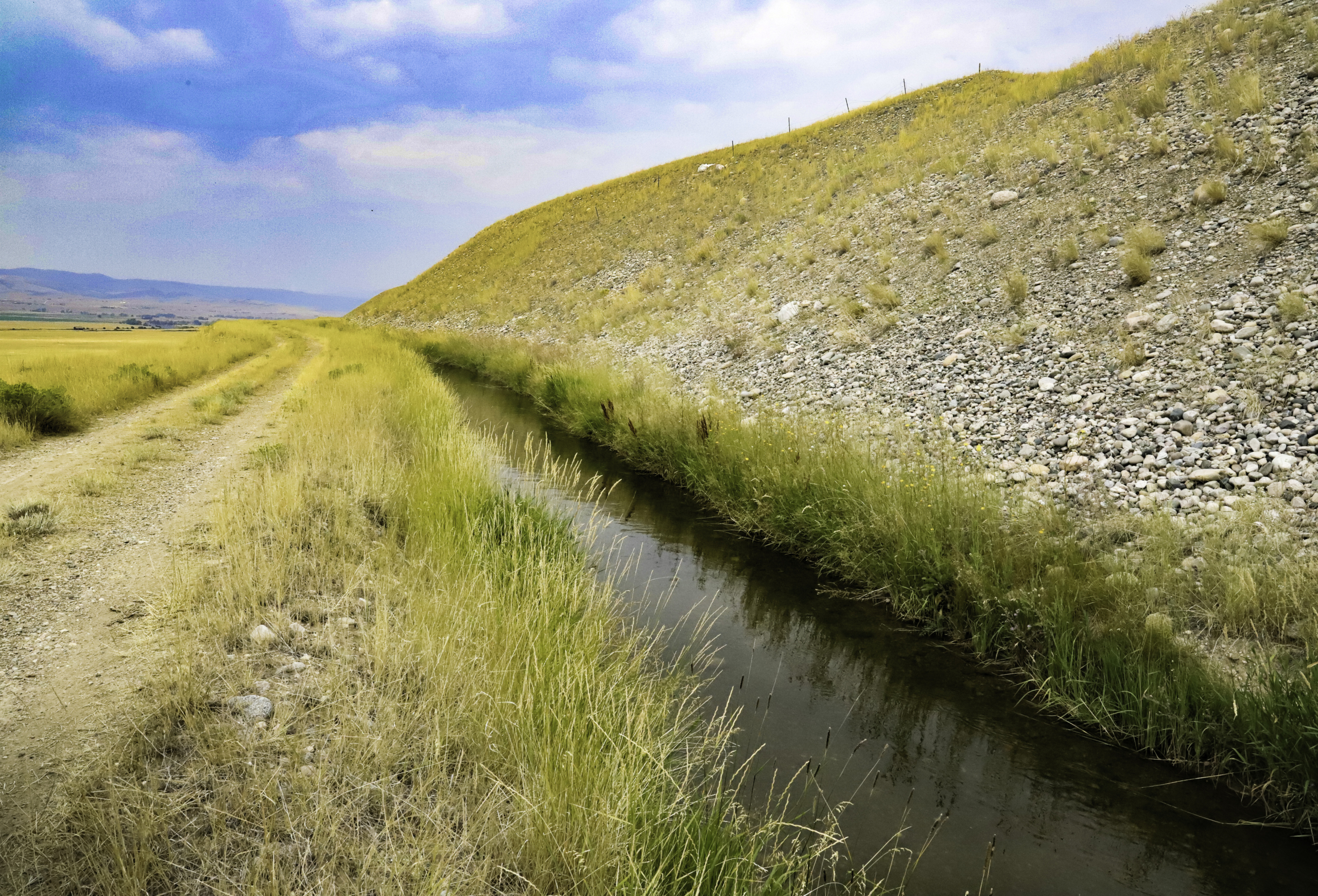
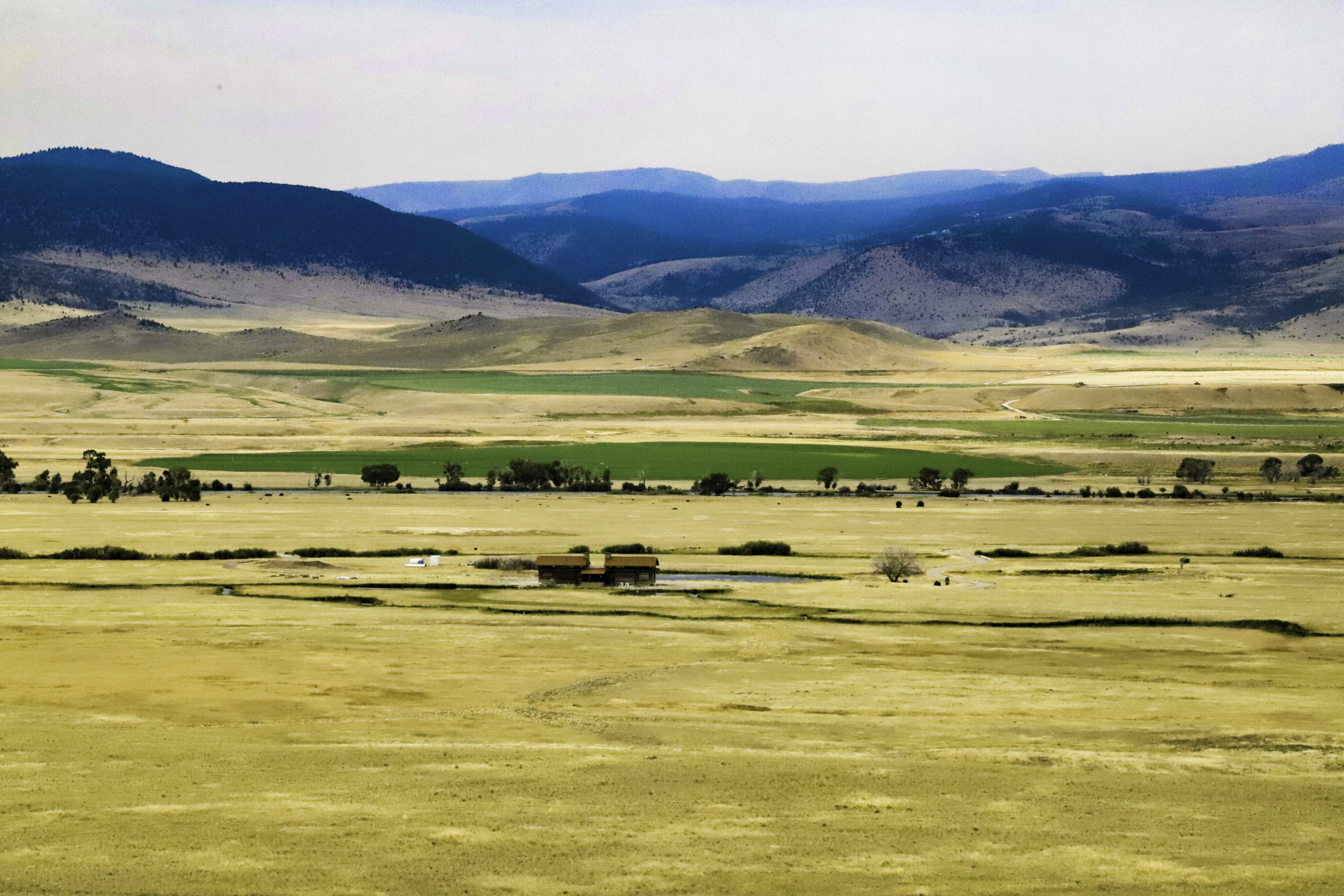
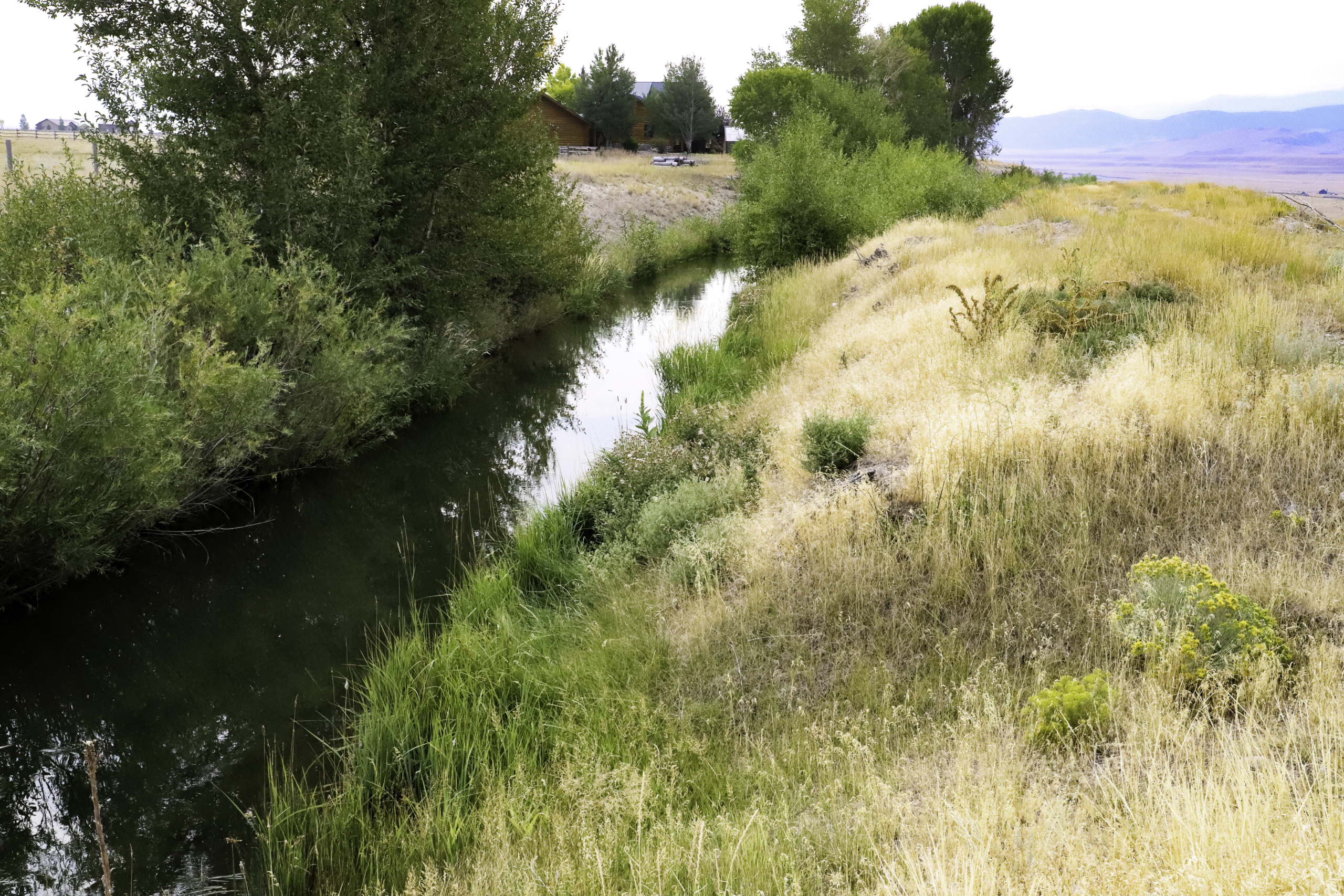
WET performed a cutting-edge aerial survey of an irrigation ditch in southwest Montana. The project’s goal was to map and photo-document the ditch corridor accurately and identify potential areas of concern along with the alignment. By combining high-resolution aerial imagery with thermal imaging technology, WET provided actionable insights that helped the client protect critical infrastructure and plan targeted maintenance.
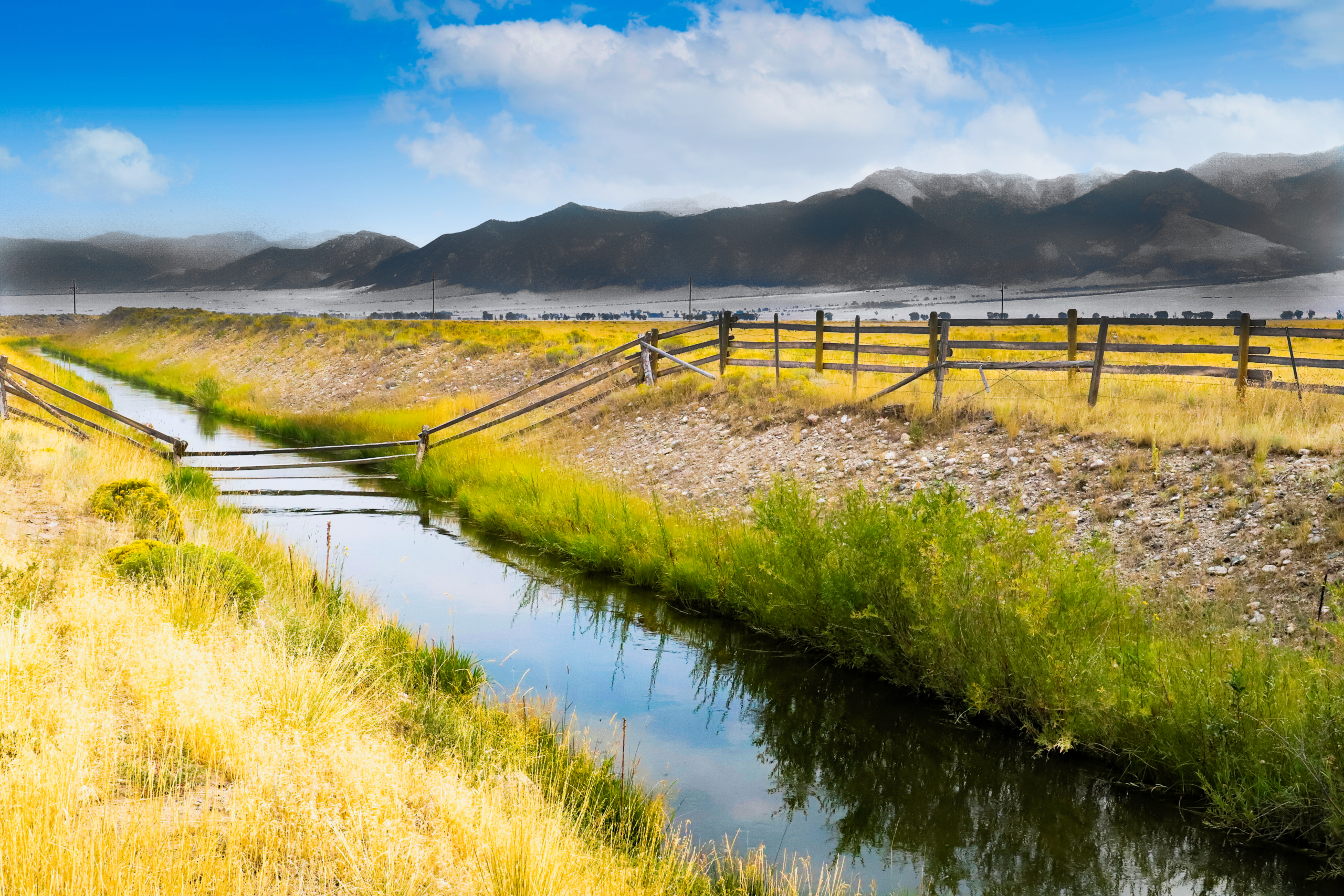
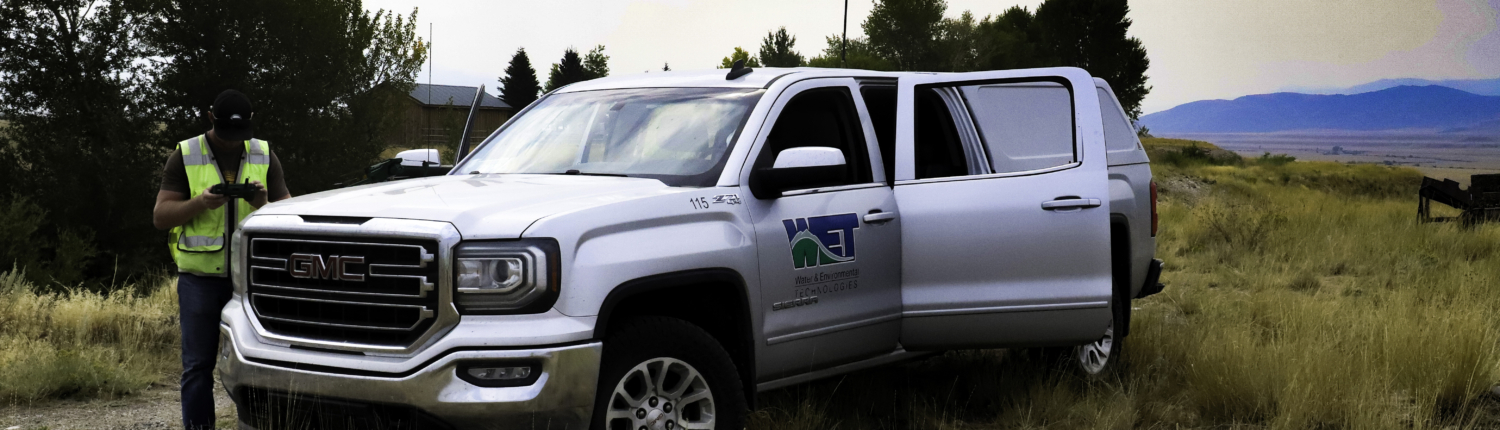
WET deployed a survey team using advanced unmanned aerial vehicle (UAV) technology to capture detailed imagery along the 4.3-mile-long corridor. Using survey-grade Real-Time Kinematic Global Navigation Satellite System (RTK GNSS) control points and Structure-from-Motion (SfM) processing, WET generated high-resolution ortho-photos and topographic models, accurately defining the ditch centerline and easement boundaries.
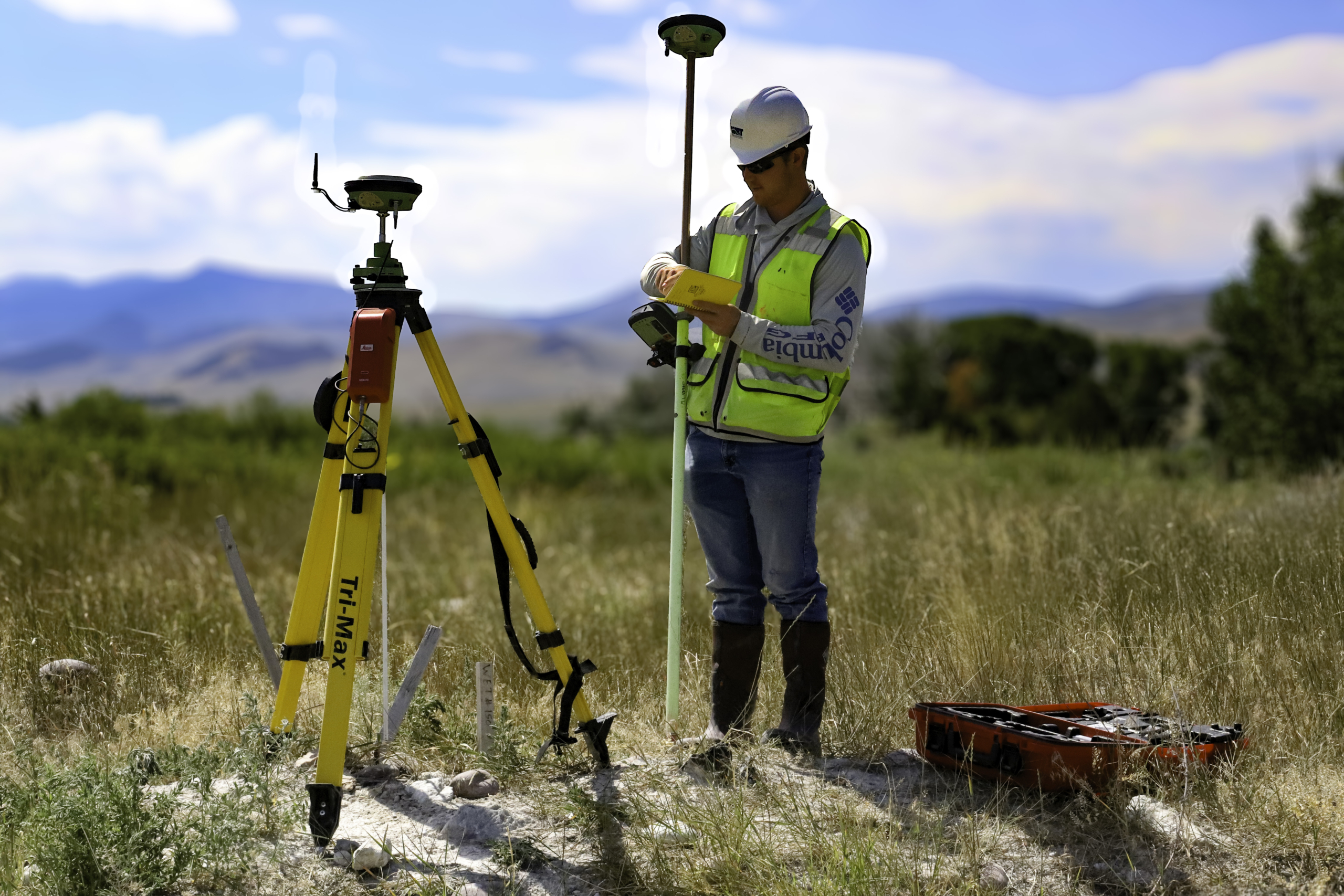
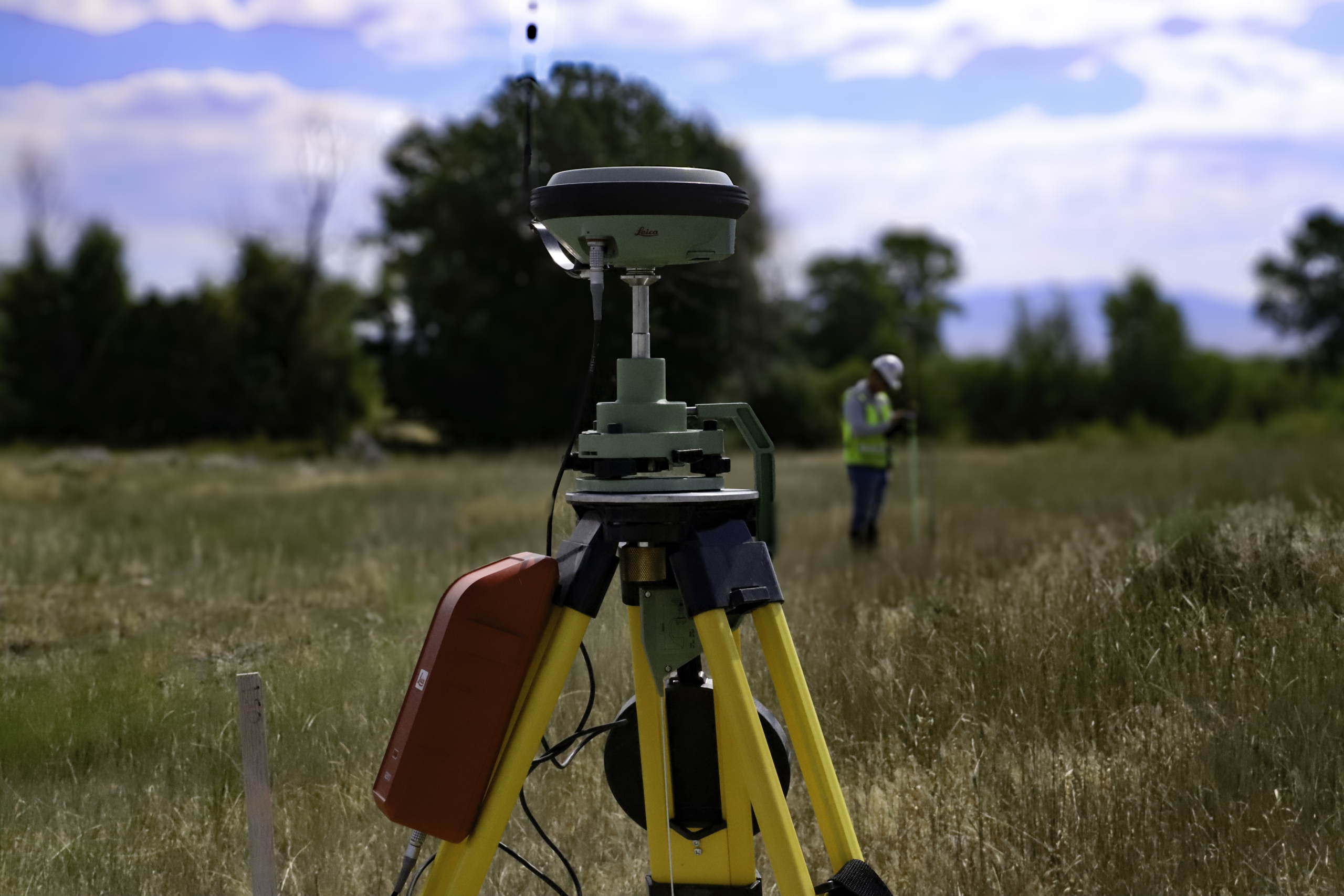
RTK GNSS is a precise method for determining exact positions on the Earth’s surface using satellite signals. Unlike standard GPS, which may have accuracy limited to a few meters, RTK GNSS provides centimeter-level positioning in real time. On-site, a base station is set up at a known location, and a rover unit is positioned along the survey corridor. The base station sends correction signals to the rover, which instantly adjusts its satellite data to achieve exact coordinates. This process ensured that all aerial mapping, orthophotos, and topographic models were accurately referenced to real-world locations, enhancing mapping precision and providing a clear visual record of the corridor for future planning and monitoring.
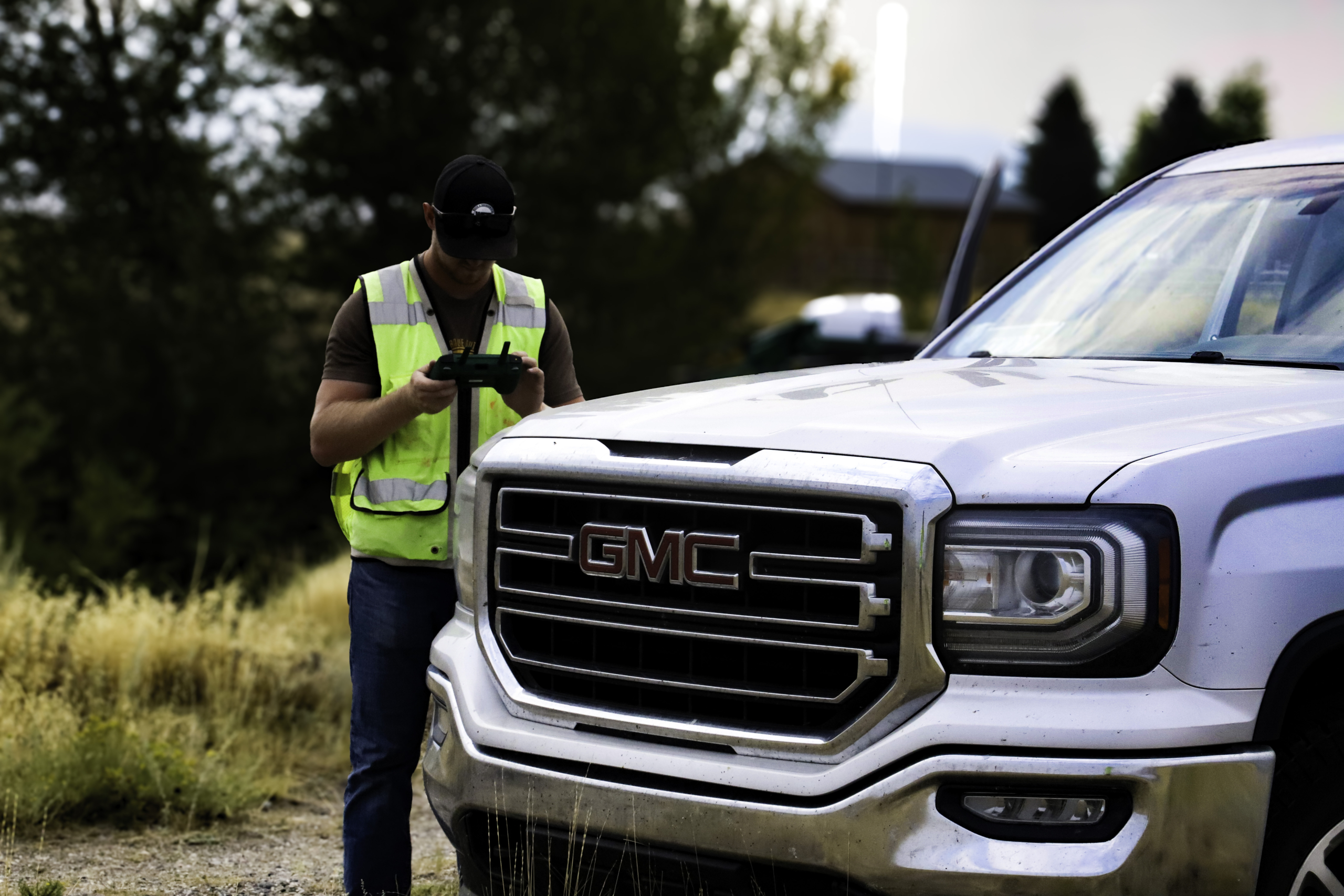
To complement the aerial mapping, WET conducted a thermal survey along a portion of the ditch to pinpoint potential seepage and leak locations from the ditch. Thermal imagery detects subtle temperature differences on the ground surface, making it possible to see variations that are invisible to the naked eye—such as cooler, wetter areas that may indicate leaks or seepage from the canal. Leveraging a dual thermal infrared and RGB camera system, the team acquired both video types simultaneously over a 4.5-mile stretch, including a 300-foot-wide corridor covering the ditch and adjacent bench. The thermal data was analyzed to highlight areas of potential concern, providing the client with early detection of issues before they escalated into costly problems.
This project demonstrates WET’s expertise in integrating innovative UAV technologies with practical engineering solutions. By combining traditional mapping and thermal imaging, WET delivered a comprehensive, actionable assessment that empowered Granger Ranches LP to proactively manage their ditch easement, maintain infrastructure integrity, and make informed decisions for long-term corridor management.