A DAY IN THE LIFE OF MARCUS HOLLAND
The Importance of Phase I Site Assessments
Some days at work begin behind a desk. Others begin in the field, uncovering the environmental history of a property. Marcus Holland is all too familiar with them all.
A Senior Engineer at WET and a Butte native, he has deep family ties to the community’s mining and environmental legacy, giving him a unique perspective on the importance of environmental stewardship across Montana.
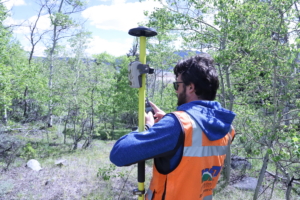
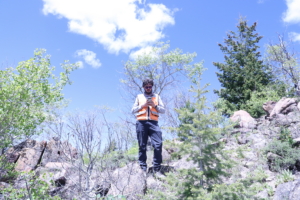
We recently spent a day in the field with Marcus as he conducted a Phase 1 Environmental Site Assessment (ESA)—a critical step in the property acquisition process that helps buyers understand the environmental condition of a property before a purchase is finalized.

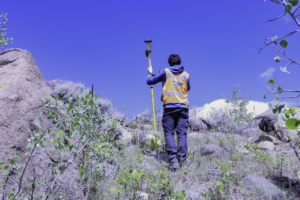
At first glance, a Phase 1 ESA may seem like a simple property inspection. In reality, it is a detailed investigation to identify environmental concerns that could affect a property’s value, safety, or future use. Whether the property is a small commercial lot, an undeveloped parcel, or a large industrial facility, understanding its environmental history can help prevent costly surprises down the road.
A typical Phase 1 ESA combines historical research with on-site observations. Environmental professionals review property records, historical aerial photographs, topographic maps, and regulatory databases to better understand how a property has been used over time. They also visit the site to document current conditions and look for evidence of potential environmental issues such as abandoned storage tanks, chemical storage areas, distressed vegetation, stained soils, or signs of previous industrial activity.
Throughout the day, Marcus demonstrated how much information can be gathered by knowing what to look for. Every building, structure, drainage feature, and neighboring property can provide important clues about a site’s environmental history. His work requires a combination of technical expertise, attention to detail, and a deep understanding of environmental regulations and site history.
The primary goal of a Phase 1 ESA is to identify Recognized Environmental Conditions (RECs)—indications that contamination may be present on a property due to current or historical activities. If potential concerns are identified, the findings can help determine whether additional investigation, such as a Phase 2 ESA, is warranted.
Every building, structure, drainage feature, and neighboring property can provide important clues about a site’s environmental history.
For prospective property owners, the value of a Phase 1 ESA cannot be overstated. Environmental contamination can lead to costly cleanup, project delays, liability concerns, and difficulty obtaining financing. By conducting environmental due diligence before a transaction is completed, buyers can make informed decisions and better understand the risks associated with a property. A Phase 1 ESA can help purchasers:
• Understand potential environmental risks associated with a property.
• Protect themselves from unexpected cleanup and remediation costs.
• Satisfy lender and financing requirements.
• Meet regulatory due diligence standards.
• Support property valuation and transaction negotiations.
• Determine whether additional environmental investigation is needed.