FROM TAILINGS TO TRANSFORMATION: A LOOK BACK AT THE PARROT SITE CLEANUP
Butte, Montana
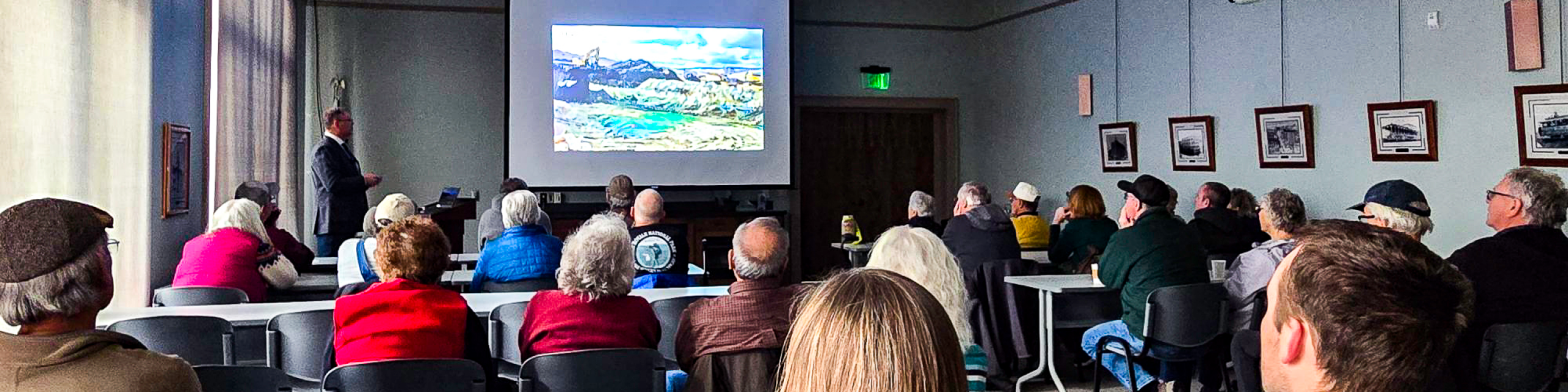
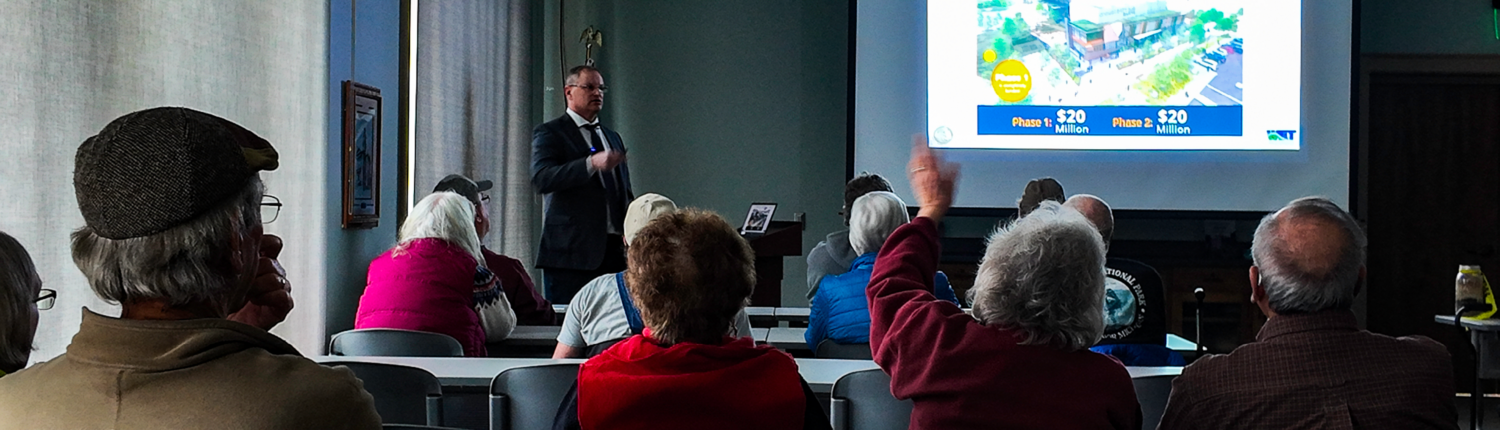
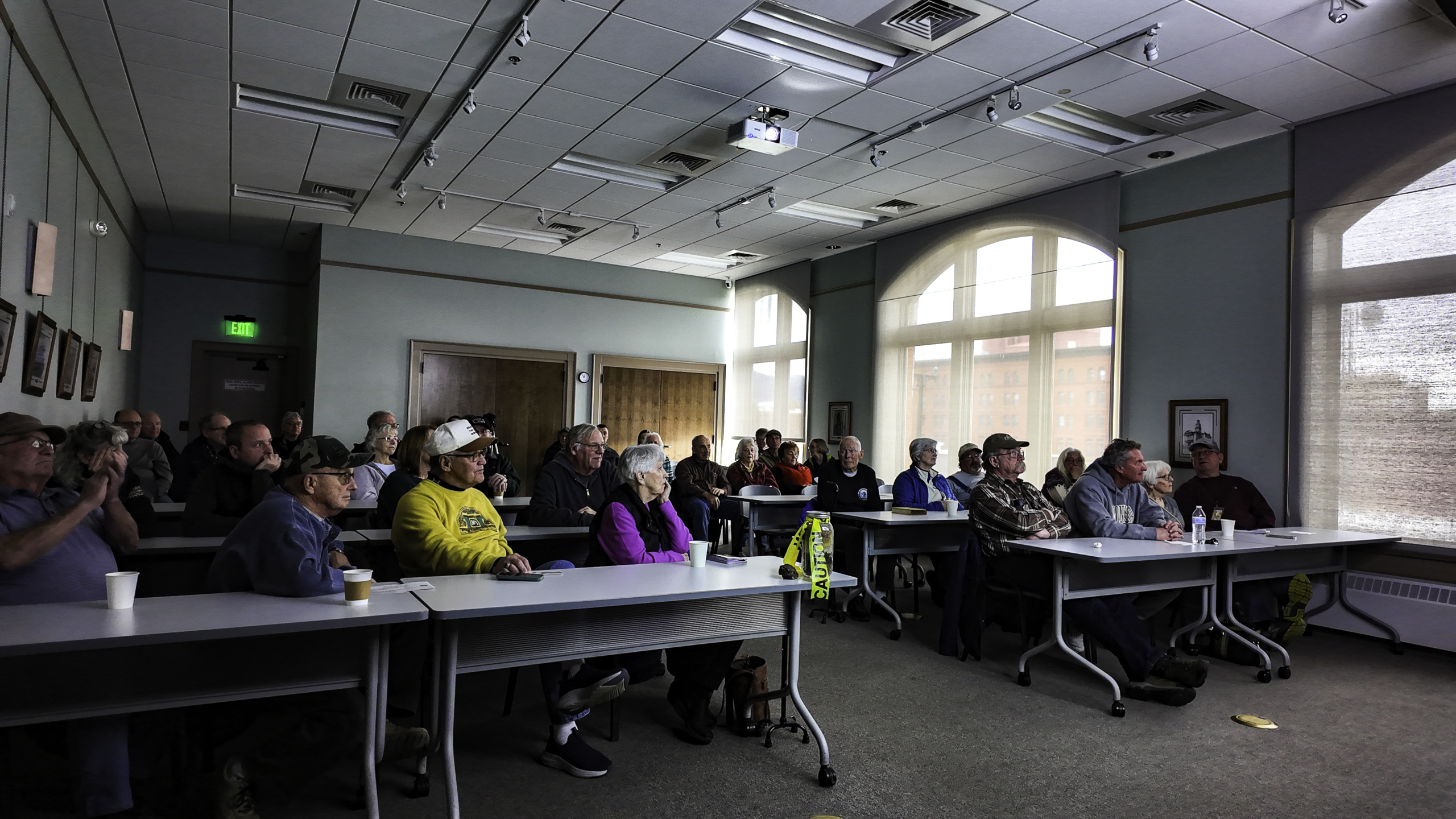
It was a great turnout on January 28 at the Butte-Silver Bow Public Archives, where WET’s very own Senior Engineer, John Trudnowski, took the stage as the Brown Bag guest speaker. John presented an in-depth look at the Parrot Tailings Waste Removal Project, a major environmental restoration effort completed in 2023 within the Silver Bow Creek corridor in Butte, Montana.
During the presentation, John walked attendees through the history of the Parrot Tailings, which originated at the historic Parrot Smelter that operated along Silver Bow Creek in the late 1800s and early 1900s. He explained that tailings, slag, and other mine waste left behind after smelter operations became a long-standing source of contamination affecting both groundwater and surface water.
“The project included well abandonment, soil removal design, evapotranspiration cover design, facility and utility demolitions, utility rebuilding, traffic detouring, post removal land use, bid sequencing, and scheduling… all standard stuff until you drop it into the middle of a town.”
John then discussed WET’s role in supporting the Montana Department of Justice Natural Resource Damage Program (NRDP). WET’s team evaluated remedial design options, developed the preferred alternative, and prepared a complete design and construction bid package. During construction, WET provided oversight and quality assurance for the excavation and replacement of approximately 380,000 cubic yards of material, including mine waste, slag, and overburden.
“Imagine, those tailings are sitting on the floodplain settlements in the old Silver Bow Creek corridor, and what they were doing was leaching a lot of nasty metals into the water.”
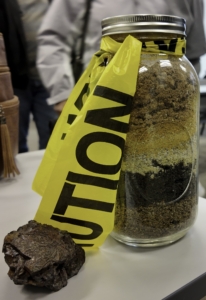
As part of the discussion, John also explained the role of Evapotranspiration (ET) covers, an important remedial tool often used in mine-waste and landfill reclamation. ET covers are engineered soil-and-vegetation systems that prevent rainfall and snowmelt from infiltrating contaminated material by storing water in a thick, organic-rich soil layer and releasing it back into the atmosphere through evaporation and plant transpiration. ET covers isolate contaminants through natural water-balance processes, protecting groundwater and surface water while blending sustainably with the surrounding environment.
“The ET cover basically acts like a sponge… it is thick enough that it absorbs all the moisture, precipitation, and infiltration throughout the year as the plants uptake the water and all the vegetation uses the water before it has a chance to soak through the soil.”
He highlighted the extensive coordination required among local, state, and federal agencies; two railroad corporations; Montana Resources; and multiple other stakeholders. John also outlined WET’s work developing critical project plans—ranging from the remedial action work plan and quality assurance project plan (QAPP) to traffic control, dewatering, waste management, and site access logistics.
“There was a lot of different stakeholders in this project…a lot of different players in the game and a lot of cooperation was needed to get this project done.”
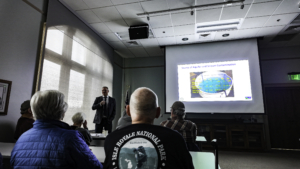
The presentation concluded with an overview of the successful completion of Phase I in 2018 and the planned continued progress toward a community hub center. Attendees gained a clear understanding of the technical challenges overcome and the long-term environmental benefits now taking shape at the Parrot Site.
Watch the full presentation from the Butte Archives: