FROM OIL SPILL TO ENVIRONMENTAL RECOVERY: WET’S BIG CLEANUP
Poplar, Montana
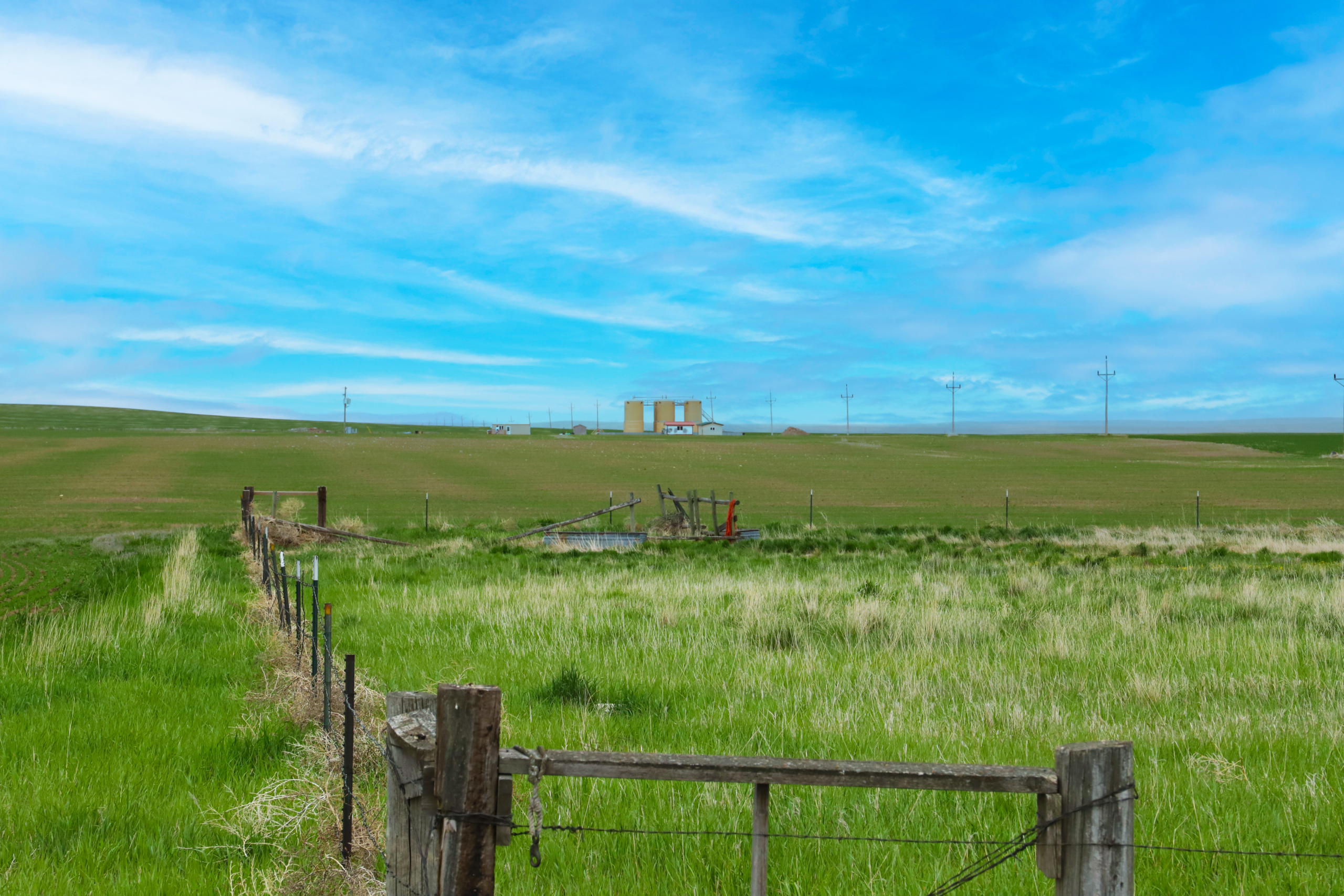
Water & Environmental Technologies (WET) is leading a major cleanup effort northeast of Poplar, Montana, to address petroleum contamination in soil and groundwater. The site was affected by a historic crude oil spill from an old production well that allowed oil and brine to migrate into the shallow aquifer and reach the ground surface in some areas. Years of the plume moving underground left a layer of floating petroleum, known as light non-aqueous phase liquid (LNAPL), trapped above the groundwater, along with residual hydrocarbons bound in the surrounding soils.
Site Excavation and Soil Treatment
Between July and October 2024, approximately 49,000 cubic yards of soil were excavated from the site to depths of nearly 40 feet below ground surface (bgs), with about 46,600 cubic yards contaminated with LNAPL. The affected soil was treated by a process called soil shredding, where the excavated material was broken down to remove large clumps and then sprayed with concentrated hydrogen peroxide. This treatment chemically oxidized petroleum hydrocarbons, breaking them down into non-hazardous compounds like water and carbon dioxide. After treatment, soil samples were collected and analyzed to verify that petroleum-related compounds were reduced below Montana Department of Environmental Quality (DEQ) screening levels, allowing the soil to be reused as clean backfill. During excavation, WET identified residual contamination at roughly 35 feet bgs within the groundwater zone. To address this remaining source area, a subsurface injection system with perforated pipes was installed along the bottom of the excavation prior to backfilling, serving as the foundation for subsequent in-situ chemical oxidation (ISCO) treatment using hydrogen peroxide.
Phase 1: LNAPL Recovery System
The initial phase of the cleanup involves physically removing as much floating petroleum, or LNAPL, as possible from the groundwater. This layer of crude oil has accumulated over time at the top of the aquifer, serving as a continuous source of contamination. Before chemical treatment began, it was crucial to start extracting this free product to reduce the overall contaminant amount and prevent further migration through the subsurface.
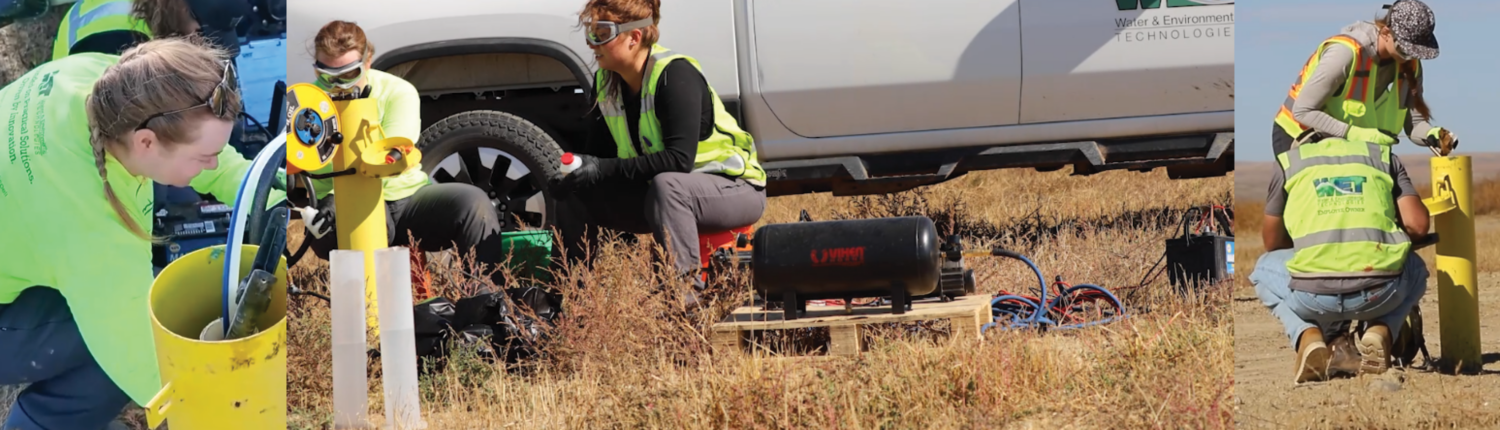
To achieve this, WET designed and installed a network of recovery wells strategically located throughout the impacted area. Each well is equipped with a filter pump that uses an oleophilic (oil-attracting) and hydrophobic (water-repelling) membrane to selectively collect petroleum products floating on the water table. The system automatically adjusts to fluctuations in groundwater levels—up to 3 feet of seasonal variation—ensuring efficient recovery without drawing excess groundwater.
The recovery network is divided into five operational zones, each linked to a booster station located in a small, insulated shed. At each booster station, pneumatic pumps extract product from the wells and direct it through underground pipelines to a central recovery building. Each station features a programmable logic controller (PLC) that automates pump operations, monitors flow rates, and communicates with the central control system.
All recovered petroleum products are routed to a 1,500-gallon vented storage tank equipped with redundant float alarms and automatic shutoff valves to prevent overfilling. This fully integrated recovery system allows for continuous, low-maintenance operation while complying with strict environmental safety standards. WET personnel monitor system performance through on-site inspections and data tracking, ensuring efficient recovery and safe handling of the recovered product.
Phase 2: Peroxide Injection System
After the free product recovery started, WET moved to the second remediation phase: in-situ chemical oxidation (ISCO) with hydrogen peroxide. This phase focuses on the residual hydrocarbons remaining in soil pores and the smear zone that couldn’t be mechanically removed.
Hydrogen peroxide is a strong yet environmentally safe oxidant that, when injected into the subsurface, decomposes into oxygen and highly reactive hydroxyl radicals. These radicals attack and decompose petroleum hydrocarbons, converting them into harmless products such as carbon dioxide and water. The oxygen released during this process also enhances natural microbial activity, thereby improving aerobic biodegradation and accelerating long-term groundwater cleanup.
The injection system includes a vertical well connected to about 200 feet of perforated lateral piping at the base of the excavation. Concentrated hydrogen peroxide (50% solution) was delivered to the site in 265-gallon totes and diluted to a 10% solution before injection to ensure safe, controlled underground reactions. The diluted solution was mixed and gravity-fed through the system at a steady rate over 20 hours, totaling approximately 12,000 gallons.
A small-scale test confirmed that the diluted solution provided effective oxidation without producing excessive heat. Temperature probes were installed in monitoring wells to gather data during and after injection, ensuring safe and efficient treatment. The peroxide injection system was designed to support the Phase 1 recovery efforts by breaking down hydrocarbons that mechanical recovery couldn’t reach, helping to restore groundwater quality and speed up natural attenuation.
Ongoing Monitoring and Results
WET continues to monitor the site with a network of 19 wells—13 within the LNAPL recovery area and six near the former waste pit. Monitoring involves measuring LNAPL thickness, groundwater levels, and temperature changes to evaluate the performance of both the recovery and oxidation systems. Data from these wells helps assess contaminant reduction and guides future remediation efforts.
Through careful engineering, field implementation, and the combination of mechanical recovery with in-situ oxidation, WET’s goal is to significantly reduce the petroleum impacts at the site. The project demonstrates how innovative treatment design, safe chemical handling, and long-term monitoring can work together to restore groundwater quality and support the ongoing environmental recovery of the area.